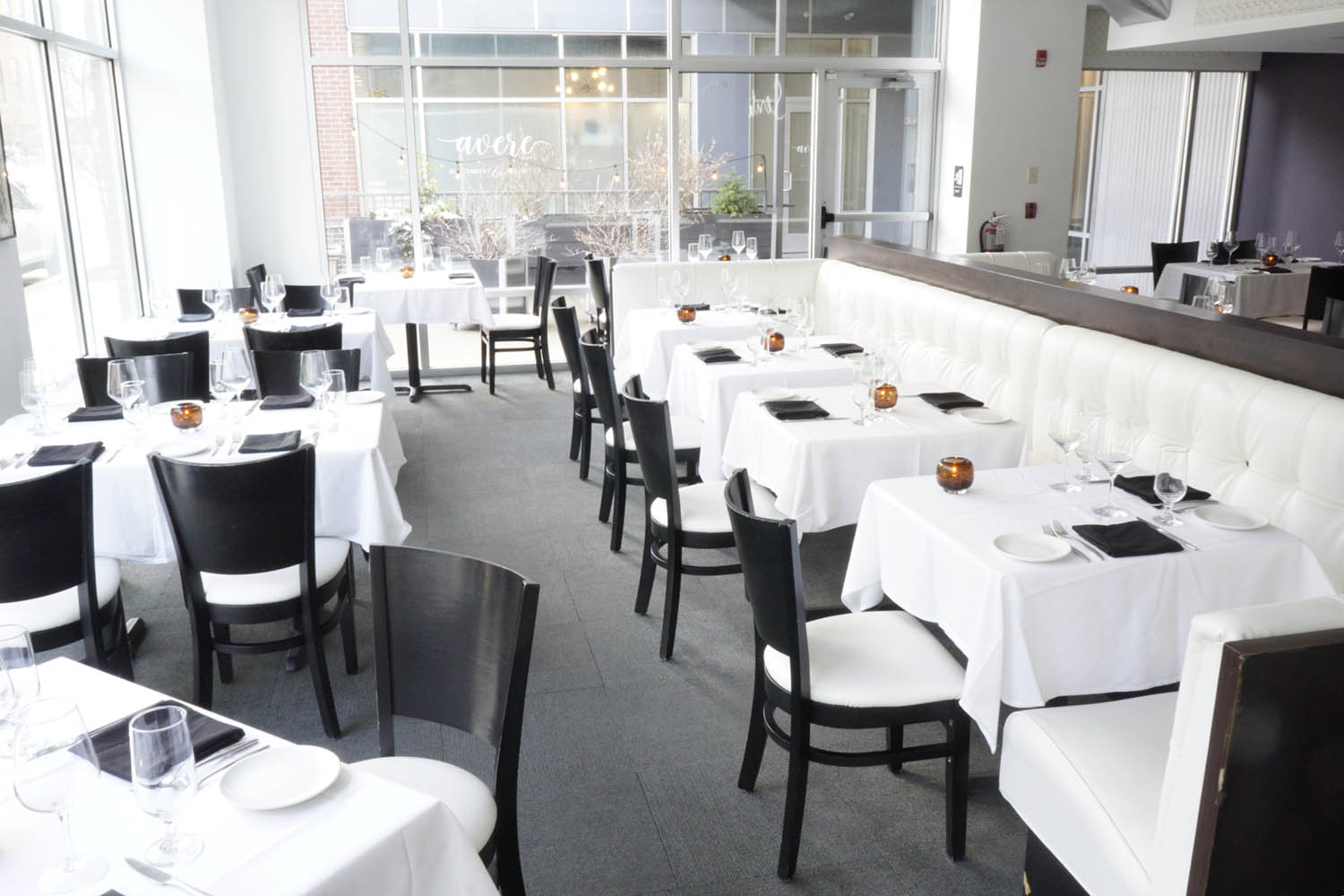
A memorable Pittsburgh dinner rarely begins with the first bite. It begins with the decision to make an evening of it: choosing a neighborhood with a point of view, reserving a table, lingering over a first glass of wine, and allowing the pace of the room to soften the edges of the day. The best Pittsburgh restaurants understand that a meal can be more than a convenient plan. It can be the setting for a reunion, a first celebration, a long-awaited date night, or a conversation that deserves more than a hurried table.
Pittsburgh is especially well suited to this kind of dining. Its neighborhoods retain distinct personalities, and an evening in Lawrenceville feels different from one downtown, in Shadyside, or across the rivers. That variety gives diners a welcome choice: the ease of a familiar local favorite, the energy of a buzzy new room, or the quiet refinement of a restaurant built for unhurried indulgence.
What Defines Great Pittsburgh Restaurants
A great restaurant does not need to be formal to feel considered. Nor does every special occasion require a tasting menu or a dining room hushed to a whisper. What matters is coherence. The food, wine, service, setting, and pace should feel as though they belong to the same evening.
At its best, a restaurant offers a clear point of view before the menu is even opened. Light settles differently in a candlelit corner. The glassware feels purposeful in the hand. A host recognizes that a guest planning an anniversary may want warmth and discretion, while friends meeting after work may want a livelier rhythm and guidance toward a bottle worth sharing. These details are not ornamental. They create the ease that allows guests to focus on one another.
For diners who care about food, craftsmanship is equally revealing. Handcrafted pasta, seafood handled with restraint, a properly composed sauce, and a dessert that closes the meal with balance all signal a kitchen that respects both ingredients and the guest’s time. The most satisfying Italian cooking, in particular, does not rely on excess. It finds depth through clarity, seasonality, texture, and the confidence to let a few excellent elements speak for themselves.
Wine belongs in this picture not as an afterthought, but as part of the composition. A thoughtful list should make room for discovery without turning the guest into a student. Some evenings call for a familiar favorite; others invite a precise pour of something rare, regional, or unexpected. A well-trained server or sommelier can make that choice feel personal rather than performative.
Choosing the Right Restaurant for the Occasion
The right restaurant depends less on a universal ranking than on the shape of the evening ahead. A business dinner demands privacy, polish, and staff who can read a table without hovering. A birthday may call for a celebratory bottle and the feeling that the room is participating in the occasion. A date night benefits from flattering light, comfortable spacing, and enough calm to make conversation effortless.
This is where reservations matter. Booking ahead is not merely a practical step, especially on a Friday or Saturday evening. It is a way to protect the experience you are hoping to have. A reservation allows a restaurant to prepare for the flow of service, and it gives guests the reassurance that their table is waiting when they arrive.
When planning, consider the rhythm you want rather than only the cuisine. Do you have time to settle in over multiple courses? Would a later reservation offer a more relaxed mood, or does an early table better suit a theater performance, family schedule, or drive home? Are you looking for a bar experience with a few dishes, or a complete dinner with wine selected course by course? There is no single correct answer, but being clear about the purpose of the evening makes a better choice possible.
Season also changes the equation. From spring through fall, outdoor dining can bring a particular romance to a Pittsburgh evening. A table outside offers the small pleasures of a neighborhood in motion: warm air, passing lights, the last color of sunset, and a glass of Italian white wine before dinner. Yet a patio is not always the best choice. For an intimate conversation, an artful indoor dining room with candlelight and attentive service may better hold the occasion. The distinction is worth considering when making a reservation.
The Value of a Restaurant With a Point of View
The strongest dining rooms are not trying to be everything to everyone. They make choices, then carry those choices through with integrity. A restaurant centered on Northern Italian cuisine should communicate its regional inspiration through more than a few familiar menu words. Its pastas, sauces, seafood, wines, and service style should share a sensibility: generous but measured, polished but welcoming, classic without becoming static.
That point of view is particularly valuable when entertaining out-of-town guests. Pittsburgh has long rewarded people willing to look beyond the obvious, and a thoughtful dinner can introduce visitors to the character of a neighborhood as much as to a plate of food. A well-chosen table says something about the host: that the evening has been considered, that the food matters, and that good company deserves a setting equal to it.
Senti Restaurant and Wine Bar in Lawrenceville approaches dinner in this spirit, bringing modern Italian cooking, handcrafted pasta, fresh seafood, original art, and a deeply Italian wine program into one intimate experience. Its wine salon’s precise by-the-glass pours are especially suited to diners who would like to explore exceptional bottles with the reassurance of informed guidance.
Why Service Changes the Entire Meal
Even remarkable cooking can lose its effect when the room feels rushed or indifferent. Conversely, polished service can make an already fine meal feel genuinely complete. The distinction lies in attention without intrusion.
Gracious service is often quiet. Water glasses are replenished without breaking a conversation. A server recognizes when a table would welcome a recommendation and when it would prefer a little more time. Courses arrive with an intuitive cadence. Questions about a wine region, a pasta shape, or an unfamiliar ingredient are answered with knowledge and ease, never with ceremony for its own sake.
For guests, this creates freedom. The host does not need to monitor every detail of the evening, and the person who knows less about wine does not need to feel intimidated by the list. Everyone can participate in the pleasure of the meal. This is the difference between being served and being cared for.
It also explains why smaller, reservation-focused restaurants can be so compelling for meaningful occasions. Their scale often permits a more attentive exchange between the dining room and the table. The trade-off is that availability can be limited, particularly on weekends and holidays. Planning earlier is a modest effort for an evening that feels composed rather than improvised.
A Better Way to Experience a Restaurant
There is a temptation to treat dining as a checklist: a new opening, a popular dish, a coveted table, then on to the next recommendation. But the restaurants that remain with us are usually remembered in fuller detail. We recall the deep aubergine wall behind a banquette, pristine white porcelain beneath a handmade pasta, the exact acidity of a wine beside seafood, or the way a room made an ordinary Thursday feel newly significant.
That is why returning to a restaurant can be as rewarding as trying a new one. A first visit offers discovery. A second visit offers recognition: a chance to order differently, explore another region on the wine list, or settle more fully into the atmosphere. Familiarity, when matched with consistent care, is its own form of luxury.
For a special dinner, leave enough room in the schedule for the experience to unfold. Arrive with time for an aperitif. Ask a thoughtful question about the menu or wine. Choose a course that feels slightly more celebratory than your usual order. Then let the evening be what a good restaurant makes possible: a well-set table, a beautifully prepared meal, and the rare pleasure of being entirely present with the people across from you.